


At the practice of Lutz Dental, we combine modern materials with thoughtful, patient-centered care to restore teeth that are broken, weakened, or cosmetically compromised. Our focus is on durable, natural-looking solutions that preserve as much healthy tooth structure as possible while delivering an attractive result. Ceramic crowns are one of the most versatile and reliable options available for restoring both function and appearance.
Even though tooth enamel is the hardest substance in the human body, teeth can still be damaged by decay, injury, or the cumulative effects of grinding and clenching. When a tooth has lost substantial structure, a standard filling may not offer adequate support. A crown wraps the remaining tooth and rebuilds its shape so you can chew comfortably and maintain proper bite alignment.
Thanks to advances in dental ceramics, all-ceramic crowns now offer exceptional strength alongside lifelike esthetics. These restorations avoid metal substructures and are engineered to mimic the way natural teeth reflect light, which is important for a seamless smile. In many cases, ceramic crowns deliver long-lasting performance without compromising on appearance.
Our team prioritizes individualized treatment planning: we evaluate the tooth’s structural needs, the forces it will encounter in the mouth, and the cosmetic goals of each patient. The result is a crown that not only functions well but also integrates naturally with the surrounding teeth and soft tissues.
Deciding whether a crown is the right restoration begins with a careful clinical assessment. If a tooth has lost a large portion of its natural structure, a crown may be recommended because it provides full coverage and distributes biting forces more evenly than a large filling. Crowns are also a predictable choice after root canal therapy, where the tooth may be more brittle and benefit from additional protection.
A crown can also be the preferred option when a tooth must serve as an anchor for a bridge or when replacing a single missing tooth with an implant. In these situations, the crown restores proper contact with neighboring teeth and helps preserve the overall alignment of the bite. A well-placed crown protects the long-term health of surrounding teeth and gum tissue.
Beyond structural reasons, crowns are often chosen for cosmetic improvement. A badly discolored, misshapen, or undersized tooth can be transformed with a ceramic crown that matches the patient’s color and translucency preferences. Ultimately, the decision is based on function, durability, and how the restoration will look in the context of the whole smile.
Repairing a tooth with extensive decay or fracture
Replacing a large or failed filling that no longer provides strength
Restoring the visible portion of a dental implant
Providing full coverage for teeth that support a traditional dental bridge
Protecting a tooth after root canal therapy
Improving the shape, size, or color of a single tooth for cosmetic reasons
Correcting bite issues that place uneven stress on a tooth

Ceramic crowns have closed the gap between strength and esthetics that once forced patients to choose metal-based restorations for posterior teeth. Modern ceramic systems are engineered to tolerate biting forces while exhibiting color and translucency similar to natural enamel. This makes them an excellent choice when appearance matters but durability cannot be compromised.
Because all-ceramic crowns are metal-free, they avoid issues such as visible dark margins at the gumline that can occur with some porcelain-fused-to-metal designs. They’re also a prudent option for patients with metal sensitivities. In many cases, the result is a restoration that looks and feels more like the original tooth.
Another advantage is the ability to conserve tooth structure. Certain ceramic materials can be made thinner than traditional crowns without sacrificing strength, which means less healthy tooth must be removed in preparation. This conservative approach helps preserve the overall integrity of the tooth and supports long-term oral health.
Ceramic restorations also resist staining and maintain their shade stability over time, contributing to a consistent, natural appearance for years with appropriate home care and regular dental visits.
Highly natural translucency and color-matching ability
Reduced need for extensive tooth reduction in many cases
No metal substructure—better soft tissue response and no dark margins
Excellent resistance to staining and discoloration
Avoidance of metal-related sensitivities where applicable
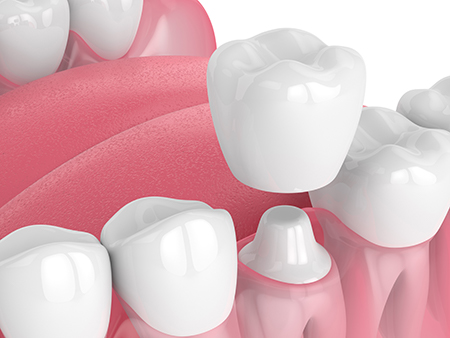
Not all ceramics are identical, and selecting the best material depends on where the crown will sit in the mouth and the functional demands it will face. Front teeth require exceptional color and translucency to blend seamlessly with surrounding teeth, whereas molars need a material capable of withstanding heavy chewing forces.
Contemporary dental ceramics range from glass-ceramics prized for their esthetics to high-strength zirconia options engineered for durability. Your dentist will weigh factors such as the tooth’s location, occlusal forces, opposing teeth, and aesthetic expectations during treatment planning to recommend the most suitable option.
Advances in digital dentistry and CAD/CAM milling also influence material choice. Some ceramics can be precisely milled in-office for fast turnaround, while others are lab-processed for specialized layering and characterizations. Each pathway has advantages, and the choice is tailored to the clinical scenario and the patient’s priorities.
Lithium disilicate—excellent esthetics with good strength for anterior and select posterior teeth
Leucite-reinforced ceramics—ideal for lifelike front-tooth restorations where translucency is key
Monolithic zirconia—very high strength, often chosen for posterior crowns or cases with limited space
High-translucency zirconia—blends improved esthetics with enhanced strength for demanding cases

The process of receiving a ceramic crown typically begins with a thorough exam and diagnosis, including X-rays and a discussion about your smile goals. If the tooth is compromised by decay or damage, necessary preparatory steps—such as repairing decay or completing root canal therapy—are completed first so the foundation for the crown is sound.
During the preparation appointment, the tooth is shaped to create room for the crown while preserving as much healthy structure as possible. Impressions or digital scans are then taken to capture the precise shape and color of the tooth. Depending on the material chosen, crowns may be milled in-office or crafted by a dental laboratory using advanced fabrication techniques.
While your final crown is being fabricated, a temporary restoration protects the tooth and helps you maintain function and appearance. At the final appointment, the custom ceramic crown is tried in, adjusted for comfort and bite, and permanently seated with dental cement. The result is a restoration designed to fit naturally and perform reliably when cared for properly.
We combine clinical experience with contemporary materials and technology to deliver crowns that are both functional and attractive. Attention to detail—color matching, marginal fit, and occlusal harmony—helps ensure a predictable outcome that integrates well with your natural teeth and bite pattern. Our clinicians emphasize conservative preparation techniques and meticulous planning for lasting success.
Communication is an important part of our care. We explain the material options and the reasons behind each recommendation so patients can make informed decisions about their treatment. Lab relationships and digital workflows are selected to support quality, consistency, and precise restorations that meet the highest standards.
At Lutz Dental, our goal is to restore teeth in a way that preserves oral health while delivering an appearance our patients feel good about. Whether you need a single crown or multiple restorations, you can expect a personalized plan focused on durability, comfort, and a natural look.
In summary, ceramic crowns offer a modern, reliable way to rebuild compromised teeth with results that look and feel natural. If you’re considering a restoration or want to learn whether a ceramic crown is right for your situation, please contact us for more information.
While a dental filling is designed to replace a portion of a decayed or damaged tooth, a dental crown offers full coverage to restore the tooth’s entire outer surface. A well-fitting dental crown not only protects and strengthens the underlying tooth structure, but it also restores the tooth’s appearance and function.
The procedure for getting an all-ceramic crown is much like the procedure for getting any other type of crown. In all cases, the tooth needs to be prepared, an impression taken, and a permanent crown cemented into place. A single all-ceramic crown can typically be fabricated over the course of two visits. However, with CAD/CAM technology, a same-day crown can be fabricated from start to finish in a single visit. With the first approach, a temporary crown is typically worn until the second visit, when the permanent restoration is placed. As with every treatment plan, our office will explain your best options in care.
As the name implies, a temporary crown is only worn for a short time until the permanent crown is placed. A temporary crown is typically fabricated from durable tooth-colored dental acrylics. While designed to protect the underlying tooth between appointments, and until your new permanent crown gets placed, a temporary crown is also fabricated to look like a natural tooth and maintain the look of your smile.
While you should feel better having an attractive and functional tooth to restore your smile, your tooth may feel a little sensitive following treatment. This initial sensitivity will subside. We take great care to make sure your new restoration looks great, fits well, and your bite is perfect. However, we’re always happy to make any minor adjustments to ensure your comfort.
With some exceptions, teeth with root canal procedures are typically restored and protected from further damage with a full-coverage crown. Based on what’s best for your smile, our office will recommend the most appropriate restoration to maintain the health and longevity of your tooth following a root canal procedure.
A dental crown is a long-term restoration that, if properly cared for, can serve you well for many years to come. Once your new crown is placed, it requires the same brushing, flossing, and periodic checkups as your natural teeth. Avoid biting your fingernails and chewing on hard or sticky objects such as ice, pencils, or taffy, which can damage or loosen your crown. Remember, clenching and grinding your teeth puts excessive pressure on both natural teeth and dental restorations. Unless treated, this habit can compromise the longevity and integrity of your dental work, including crowns.
Although your new all-ceramic crown restores the tooth's strength, form, and function, you can still develop dental disease in the absence of proper care. To prevent gum disease and tooth decay, it’s essential to brush and floss as instructed and see our office for routine checkups, cleanings, and care.
How long a dental crown lasts depends on various factors, including your level of oral care, diet, and oral habits. While the standard answer is that dental crowns can last anywhere from 5 to 15 years, existing literature confirms that most dental crowns remain in place at 15 to 20 years.
At the office of Lutz Dental, we strive to provide the highest quality of care to address all your dental needs. Once we’ve had the opportunity to examine your smile, we can give you a clear picture of any dental issues that are present, along with a quote for how much treatment will be. The cost of dental crowns can vary a little, depending on the type of crown and its location. Our goals are to provide the highest quality of care and help patients begin treatment without additional financial stress or delay. We’re always happy to answer all your questions on dental insurance coverage, available financing, and payment plans.
Coverage for all-ceramic crowns depends on your dental insurance plan. Today, many dental plans provide some level of coverage for all-ceramic crowns. At the office of Lutz Dental, we work with patients to optimize their dental benefits and get the care they need to maintain healthy and beautiful smiles!
Ceramic crowns are tooth-shaped restorations made from advanced dental ceramics that cover the visible portion of a damaged or weakened tooth. They are metal-free and engineered to mimic the color, translucency and light-reflecting properties of natural enamel. Because they avoid a metal substructure, ceramic crowns can provide a seamless appearance at the gumline and are often chosen for their esthetic qualities.
Unlike porcelain-fused-to-metal restorations, all-ceramic crowns eliminate the risk of a dark margin showing where the crown meets the gum. Modern ceramics also come in a range of strength profiles, so clinicians select materials that balance durability and appearance depending on the tooth's location and functional demands. These properties make ceramic crowns a versatile option for both anterior and many posterior restorations.
A ceramic crown is typically recommended when a tooth has lost a substantial amount of structure due to decay, fracture or wear and a filling would not provide sufficient support. Crowns provide full coverage that distributes biting forces more evenly and protects the remaining tooth from further damage. They are also a common choice after root canal therapy because treated teeth can become more brittle and benefit from the additional protection a crown offers.
Crowns are also indicated when a tooth will serve as an abutment for a bridge or when an implant restoration requires a custom crown to restore proper contact and function. In cosmetic situations where a tooth is badly discolored, misshapen or undersized, a ceramic crown can reliably improve appearance while restoring form and function. The final recommendation follows a clinical assessment of tooth structure, occlusion and aesthetic goals.
Contemporary ceramic materials include lithium disilicate, leucite-reinforced ceramics, monolithic zirconia and high-translucency zirconia, each with distinct properties. Lithium disilicate is valued for its excellent esthetics and good strength, often used for front teeth and select posterior cases. Monolithic zirconia offers very high strength and is frequently chosen for posterior crowns or cases with limited space, while high-translucency zirconia aims to blend improved esthetics with enhanced durability.
Leucite-reinforced ceramics are prized for lifelike translucency on anterior restorations, and material choice depends on factors such as occlusal forces, opposing dentition and esthetic priorities. Some ceramics are well suited to in-office CAD/CAM milling for single-visit restorations, while others benefit from lab processing for layered characterizations and specialized staining. Your clinician will match the material to the clinical demands of the tooth to achieve both function and appearance.
The process begins with a thorough exam, diagnostic imaging and a discussion of your goals to ensure the tooth is a good candidate for a crown. The tooth is prepared by shaping the visible portion to create room for the crown while conserving as much healthy structure as possible, after which impressions or digital scans capture the exact tooth geometry and shade. A temporary restoration protects the prepared tooth while the final crown is fabricated either in-office using CAD/CAM technology or by a dental laboratory.
At the placement appointment the dentist will try in the finished crown, make minor adjustments for fit and bite, and then permanently seat it with dental cement or a prescribed attachment method. Occlusion, contact points and marginal fit are verified to ensure comfort and function, and the dentist will review postoperative care and any short-term sensitivity to expect. Clear communication about the chosen material and fabrication pathway helps ensure the final restoration meets functional and esthetic targets at every stage.
Caring for a ceramic crown centers on consistent oral hygiene and routine dental care to preserve both the restoration and the surrounding tissues. Brush twice daily with a fluoride toothpaste and floss or use interdental cleaners to remove plaque at the crown margins, where decay can begin if hygiene lapses. Avoid using a crown as a tool to open items or to bite very hard objects, and discuss protective measures like a nightguard if you grind or clench your teeth.
Regular professional cleanings and periodic clinical exams let the dentist evaluate marginal integrity and check for wear or damage to the crown and opposing dentition. Promptly report any new sensitivity, loosening, or changes in bite so the restoration can be assessed and adjusted if necessary. With attentive home care and regular dental visits, ceramic crowns can provide long-term function and esthetics.
Ceramic crowns are commonly used to restore dental implants, either as screw-retained or cement-retained prostheses, and they can be adapted to fit custom implant abutments. When used on implants, the crown is designed to respect access, occlusion and the relationship to adjacent soft tissue to produce a natural emergence profile and functional bite. The choice of ceramic and retention method depends on implant position, occlusal forces and restorative goals.
Ceramic crowns also serve as bridge abutments when they are part of a multi-unit restoration, restoring contact relationships and maintaining bite alignment. In these cases, clinicians evaluate the health of the supporting teeth and periodontal tissues as well as the distribution of forces across the bridge to select appropriate materials and designs. Proper planning and execution help protect the long-term health of the bridge and surrounding structures.
Bruxism places significant forces on restorations, so material selection and protective strategies are important when treating patients who grind their teeth. In many bruxism cases, stronger ceramic options such as monolithic zirconia are preferred because they offer enhanced resistance to fracture under heavy loads. Even with high-strength ceramics, clinicians often recommend measures to reduce risk, such as occlusal adjustments and fabrication of a custom nightguard.
Managing bruxism may also involve treating contributing factors like misaligned bite or parafunctional habits, and multidisciplinary strategies can improve outcomes for both natural teeth and restorations. Your dentist will assess the pattern and severity of grinding to determine whether a ceramic crown is appropriate and what additional precautions should be taken to protect the restoration and opposing dentition.
Shade matching begins with careful assessment of the patient’s natural teeth under controlled lighting, use of shade guides and, often, digital photography to capture color nuances and translucency. Clinicians consider factors such as enamel thickness, staining, adjacent restorations and the desired level of characterization when specifying shade and layering techniques. For highly esthetic cases, lab technicians may layer ceramics or add individualized characterizations to mimic natural anatomy and light response.
Communication between the clinician, patient and dental laboratory is essential to achieve predictable esthetic results, and in-office try-ins allow for final adjustments before permanent seating. Modern digital workflows can enhance accuracy by transferring precise color and form information to the laboratory or to an in-office milling unit. Patient preferences are discussed during planning so the final crown aligns with both functional needs and cosmetic expectations.
Although ceramic crowns are durable, they are not indestructible and can chip or fracture under excessive or repeated stress, particularly if the underlying tooth lacks adequate support. Some ceramic materials are harder than natural enamel and, in rare cases, can contribute to wear of opposing teeth if occlusion is not properly managed. Marginal breakdown, recurrent decay at the crown margin and sensitivity can occur if oral hygiene is inadequate or if the restoration becomes compromised.
Selection of the appropriate ceramic, conservative tooth preparation and precise occlusal adjustment reduce the likelihood of complications, and clinicians will discuss alternatives when specific risk factors are present. Regular follow-up care allows early detection of problems and timely intervention to protect the tooth and the restoration. Understanding these limitations helps patients make informed decisions about restorative options.
The decision begins with a comprehensive dental examination that evaluates the tooth’s remaining structure, periodontal health, occlusion and aesthetic goals. Diagnostic imaging and a careful assessment of opposing dentition and functional forces help the clinician determine whether a ceramic crown is appropriate or if another restorative approach better suits the clinical situation. Treatment planning also considers material options and the steps needed to prepare the tooth for a predictable outcome.
To explore whether a ceramic crown is the best solution for you, schedule a consultation with our office to review your exam findings and treatment alternatives in detail. At Lutz Dental we explain the rationale behind each recommendation and outline the clinical steps involved so you can make an informed decision that balances function and appearance. If you have questions about materials, procedure timing or postoperative care, your dentist will address them during the consultation.
Quick Links
Contact Us
