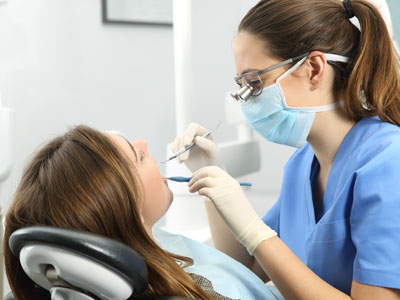
Even the most diligent oral hygiene routine can miss hard-to-reach surfaces where plaque and bacteria collect. Professional dental cleanings are a simple, proven way to remove stubborn deposits, monitor oral health, and catch small problems before they grow. Regular cleanings protect more than the appearance of your smile—they preserve the tissues that support your teeth and contribute to overall wellness. At Lutz Dental, we emphasize preventive care that empowers patients to keep their mouths healthy between visits.
Brushing and flossing are essential, but plaque that remains on tooth surfaces can mineralize into tartar (calculus), which cannot be removed with home care alone. Tartar builds up in fissures and along the gumline where toothbrush bristles can’t reach. A professional cleaning removes these hardened deposits and reduces the bacterial load that contributes to decay and inflammation.
Routine cleanings also serve as checkpoints for your oral health. During each visit, hygienists and dentists assess the condition of your gums, check for early signs of enamel wear, and monitor any changes in restorations. This ongoing surveillance helps catch issues at a stage when conservative treatment is most effective, saving time and preserving natural tooth structure.
Beyond oral benefits, there is a clear connection between oral inflammation and general health. Controlling plaque-related inflammation reduces chronic irritation in the mouth and supports a healthier environment for tissues and bone. For many patients, timely cleanings are a central part of maintaining long-term comfort, function, and confidence.
Cleanings begin with a quick evaluation of your gums, teeth, and any existing dental work. Your hygienist will review your health history and ask about any changes since your last visit—sensitivity, bleeding gums, or other concerns—so the appointment can be tailored to your needs. This personalized approach sets the stage for a more comfortable and efficient visit.
Scaling removes plaque and calculus from tooth surfaces and just under the gumline. Many practices combine ultrasonic scalers, which use gentle vibrations and water to lift deposits, with hand instruments that allow precise removal from tight spaces. This combination helps ensure thoroughly cleaned surfaces while minimizing discomfort for most patients.
After scaling, the hygienist polishes each tooth to remove surface stains and smooth the enamel, which slows new plaque buildup. Fluoride treatments or other topical agents may be applied to strengthen enamel and reduce sensitivity when appropriate. Before you leave, you’ll receive clear, personalized guidance on home care practices to maintain results until your next visit.
Gum disease begins with reversible inflammation—gingivitis—but can progress to periodontitis if left unmanaged. Early signs include redness, swelling, and bleeding during brushing or flossing. Professional cleanings reduce the bacteria that drive gingival inflammation and, when combined with effective home care, can often reverse early-stage gingivitis.
For patients with established periodontal disease, cleanings become part of an ongoing maintenance plan. Deeper cleanings and more frequent visits may be recommended to control pocket depth and prevent bone loss. Your provider will explain indicators that warrant enhanced care, such as persistent bleeding, deep pockets, or mobility of teeth, and will collaborate with you to develop a sustainable treatment path.
Early intervention is less invasive and more predictable than waiting for symptoms to escalate. By attending routine appointments and following tailored advice from your dental team, you actively reduce the risk of tooth loss and the need for complex restorative procedures in the future.
Today’s dental cleanings prioritize patient comfort and infection control. Practices follow strict sterilization protocols and use barrier techniques to protect both patients and staff. Many clinics also employ modern instruments designed to be quieter and gentler than older equipment, which helps reduce anxiety for people who are sensitive to noise or vibration.
If sensitivity or past discomfort has made cleanings difficult, options exist to ease the experience. Topical numbing gels, local anesthetic, or short-acting sedation choices can make a routine appointment manageable for anxious or highly sensitive patients. Your hygienist and dentist will discuss these options and recommend what’s appropriate based on your history and the expected scope of care.
Digital tools—such as electronic charting and intraoral imaging—help the team document findings, track changes over time, and explain treatment needs visually. These technologies enhance communication and give patients a clearer understanding of their oral health, so decisions are made with confidence and clarity.
A professional cleaning delivers immediate improvements, but the daily habits you practice between visits determine lasting results. Brushing twice a day with a fluoride toothpaste and a technique that reaches back teeth and along the gumline is foundational. Replace your brush or brush head every three months or sooner if bristles become frayed.
Interdental cleaning—floss, interdental brushes, or water flossers—removes plaque from spaces a toothbrush can’t reach. The right tool depends on your smile and restorations; your hygienist can demonstrate a routine that fits your dexterity and preferences. Small, consistent efforts at home translate to fewer problems and less invasive care over time.
Lifestyle factors matter as well. Limiting sugary snacks, avoiding frequent acidic beverages, and quitting tobacco all support oral health. If you have specific concerns—sensitivity, dry mouth, or a history of cavities—bring them up during your visit so the team can tailor preventive steps and reinforce habits that prolong the benefits of professional care.
Professional dental cleanings are a straightforward, high-impact investment in your oral health and overall well-being. Regular visits allow your dental team to remove harmful deposits, monitor soft tissues and restorations, and coach you on home care strategies that keep your smile healthy. If you have questions about what to expect or how often you should come in, please contact Lutz Dental for more information—our team is glad to help you maintain a clean, comfortable, and lasting smile.
For most adults, scheduling a professional dental cleaning every six months is a reliable guideline for preventing plaque buildup and monitoring oral health. Patients with risk factors such as a history of periodontal disease, frequent cavities, or systemic conditions like diabetes may need more frequent visits, often every three to four months, as recommended by their dental team. Your hygienist will base the interval on your oral condition, medical history, and the effectiveness of your home care routine.
Regular recall visits give clinicians an opportunity to identify changes early and intervene conservatively, which helps preserve natural tooth structure and gum support. Establishing a predictable schedule also makes it easier to track patterns such as increased sensitivity, recession, or restoration wear. If your circumstances change, your provider can adjust the frequency to match your needs and maintain long-term oral stability.
A typical dental cleaning begins with a brief evaluation of your gums, teeth, and any restorations to identify areas that need focused attention. The hygienist then performs scaling to remove plaque and hardened tartar from above and just below the gumline, often using a combination of ultrasonic instruments and precise hand tools for thorough, gentle removal. After scaling, the teeth are polished to remove surface stains and to smooth enamel, which helps slow new plaque accumulation.
Depending on your needs, the clinician may apply a fluoride or desensitizing topical to strengthen enamel and reduce sensitivity after the procedure. The appointment concludes with tailored home care advice and recommendations for any follow-up care or monitoring. These steps are designed to leave your mouth healthier and give you clear guidance for between-visit maintenance.
When gum disease is present, cleanings are adapted to address inflammation and the bacteria that cause tissue breakdown rather than only focusing on cosmetic stain removal. For early-stage gingivitis, routine scaling and effective home care can often reverse inflammation, while more advanced periodontitis requires deeper cleaning below the gumline to reduce pocket depths and bacterial load. These deeper procedures, often called scaling and root planing, use specialized instruments and a careful technique to clean root surfaces and encourage healing.
Patients with periodontitis typically enter a maintenance program that includes more frequent professional cleanings and monitoring to prevent recurrence and limit bone loss. Your dentist or hygienist will explain the recommended schedule and any adjunctive therapies that can support periodontal health, such as antimicrobial rinses or locally delivered agents. Consistent follow-up and good oral hygiene are essential to stabilize gums and protect teeth long term.
Professional cleanings reduce oral inflammation and bacterial levels, which supports healthier gum and bone tissues and can lower the chronic inflammatory burden in the body. Emerging research links uncontrolled oral inflammation to systemic conditions such as cardiovascular disease and complications related to diabetes, so maintaining oral health is one component of broader health stewardship. While cleanings are not a treatment for systemic disease, they are an important preventive measure that contributes to overall well-being.
During recall visits, clinicians also screen for oral signs that may reflect systemic issues, including unusual lesions, persistent dry mouth, or signs of nutritional deficiencies. Early detection of such signs allows prompt referral and coordination with medical providers when appropriate. Treating oral problems early reduces the likelihood of more invasive procedures and helps maintain quality of life.
Consistent brushing twice a day with a fluoride toothpaste and cleaning between teeth daily are the cornerstones of maintaining the results of a professional cleaning. Selecting interdental tools—floss, interdental brushes, or a water flosser—based on your tooth spacing and restorations helps remove plaque from areas a toothbrush cannot reach. Replacing your toothbrush or brush head every three months and using proper technique also improves plaque control and reduces gingival inflammation.
Limiting frequent consumption of sugary or acidic foods and avoiding tobacco further protects enamel and gum tissues from accelerated wear and disease. If you experience sensitivity, dry mouth, or recurrent cavities, discuss targeted at-home products or techniques with your hygienist so you can address specific risks effectively. Personalized guidance paired with daily diligence will maximize the longevity of professional care.
Modern dental cleanings are performed with strict infection control measures and patient comfort in mind, using sterilized instruments, barrier techniques, and ergonomically designed tools that minimize noise and vibration. Many patients find routine cleanings to be well tolerated, and clinicians can adjust techniques to reduce sensitivity, such as using slower scaling strokes or switching instrument types when appropriate. For patients with heightened anxiety or strong sensitivity, topical numbing gels or brief local anesthetic can be used to improve comfort during the procedure.
Digital charting and intraoral imaging enhance communication so patients understand what is happening and why, which often reduces apprehension. If needed, the team can discuss short-acting sedation options or appointment pacing strategies to make visits manageable for anxious or medically complex patients. The focus is on delivering thorough care while respecting each patient’s comfort and safety.
When performed properly, professional cleanings do not harm healthy enamel or well-made restorations; clinicians use techniques and instruments designed to remove plaque and tartar without abrading tooth structure. Polishing is gentle and targeted to remove surface stains while preserving the outer enamel layer, and hygienists are trained to protect crowns, veneers, and other restorations during scaling and polishing. If a restoration shows wear or marginal breakdown, the clinician will note it and discuss appropriate evaluation and care rather than attempting to alter it during a routine cleaning.
Patients with particularly fragile enamel or extensive restorations should inform the dental team so the appointment can be modified to protect sensitive areas. Periodic monitoring of restorations during cleanings helps catch problems early and prevents more complex issues later. Clear documentation and careful technique ensure cleanings maintain oral health without compromising existing dental work.
Dental implants and fixed bridges require specialized cleaning protocols to protect surrounding tissues and materials while removing plaque and biofilm effectively. Hygienists use instruments safe for implant surfaces, such as plastic or titanium-friendly tips, and adapt scaling techniques to avoid scratching or damaging prosthetic components. Regular maintenance visits focus on controlling inflammation around implants and checking for signs of peri-implantitis or mechanical issues with bridges.
Home care instructions for implant and bridge patients often include interdental brushes or other recommended tools to clean under and around prosthetic elements. Your dental team will demonstrate the most appropriate routine and schedule follow-up care to preserve function and minimize risk to the supporting bone and soft tissues. Consistent professional care combined with meticulous home maintenance is key to long-term success.
Certain life stages call for adjustments to cleaning protocols and recall frequency to reflect changing risk factors and needs. Children benefit from early preventive visits that include gentle cleanings, fluoride guidance, and habit counseling to establish healthy routines, while seniors may require attention to dry mouth, root exposure, and restorative maintenance. Pregnant patients should continue preventive care throughout pregnancy, with cleanings scheduled as recommended and open communication about any medical concerns to ensure safe, effective appointments.
Clinicians tailor examinations and home care recommendations for each group, taking into account medication effects, dexterity, and systemic health. When necessary, the dental team coordinates with medical providers to manage care safely, such as adjusting appointment timing or techniques for medically complex patients. Personalized preventive strategies help people at every age protect oral health and function.
Preparing for a cleaning is simple: bring an updated health history, a list of current medications, and any questions or concerns about sensitivity, bleeding, or recent changes in your mouth. If you have new medical conditions or are seeing a new provider, sharing relevant information helps the team tailor the appointment and decide whether modifications or antibiotics are necessary for specific medical situations. Arriving with a good brushing and interdental cleaning beforehand can also make the visit more efficient and comfortable.
When you arrive at Lutz Dental, expect a brief review of your history followed by the exam and cleaning tailored to your needs, and the hygienist will leave time to review home care recommendations with you. If you experience anxiety or anticipate discomfort, mention it when scheduling so the team can discuss comfort options in advance. Clear communication before and during the visit ensures the appointment is productive, safe, and focused on your long-term oral health.
Quick Links
Contact Us