Missing teeth change more than your smile — they can alter how you eat, speak, and feel about yourself. Dental implants are engineered to restore both appearance and performance by replacing the missing tooth root and supporting a natural-looking restoration above the gumline. This foundation helps preserve facial structure, maintain proper bite alignment, and allow patients to enjoy a wide range of foods without the limitations of traditional removable prostheses.
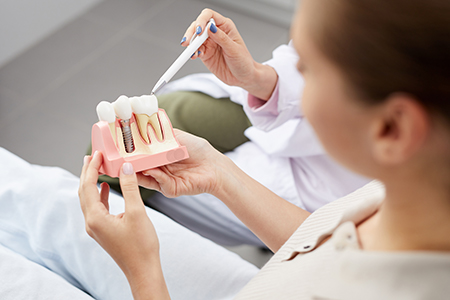
Implants are made from biocompatible materials and are placed directly into the jawbone to act as a secure anchor for crowns, bridges, or prosthetic arches. Because they integrate with the jawbone, implants recreate stability similar to natural teeth and reduce the progressive bone loss that can follow tooth extraction. For many adults, implants provide a long-term, predictable solution that supports everyday life — smiling, speaking, and eating — with assurance.
Our team approaches implant care with a focus on individualized planning and gentle execution. From initial evaluation through final restoration, we prioritize clear communication and step-by-step guidance so patients understand what to expect. If you’re considering implants, the right information and careful planning are the first steps toward a comfortable, durable outcome at Lutz Dental.

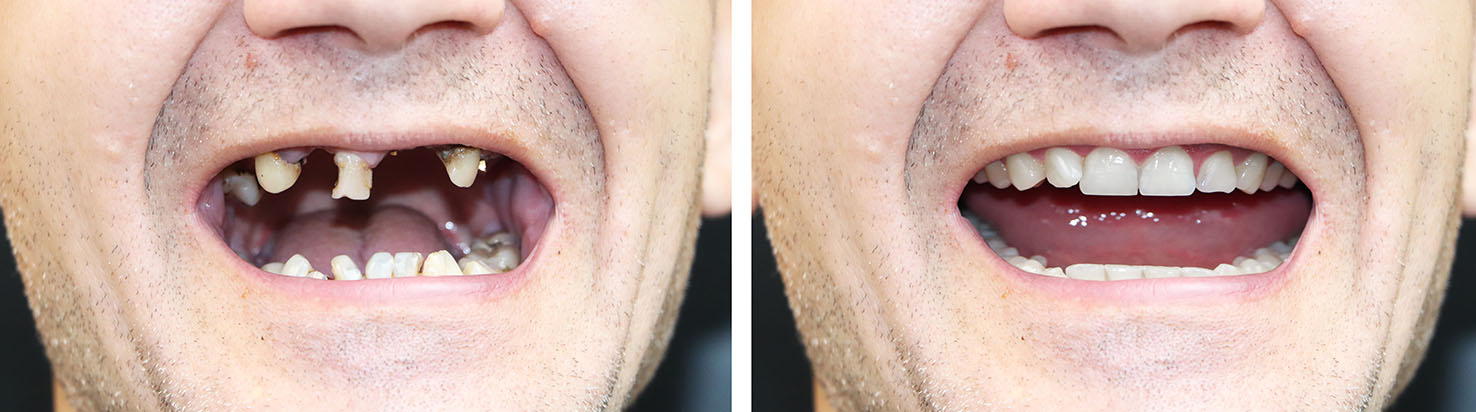
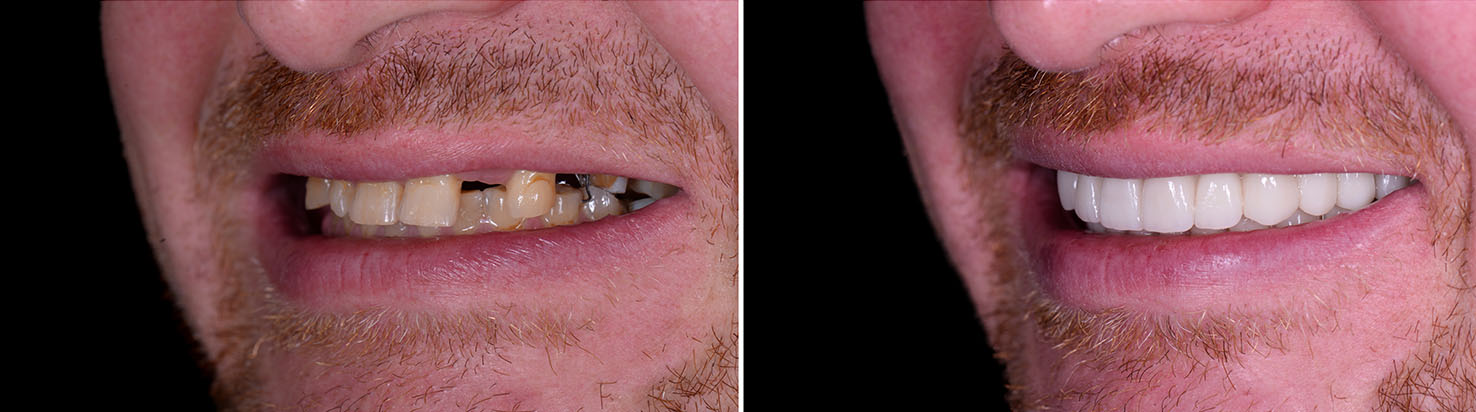
Compared with traditional bridges or removable dentures, implants excel at imitating the way a natural tooth sits and behaves in the mouth. A properly placed implant transmits chewing forces to the jawbone, maintaining bone health and supporting the soft tissues that frame your smile. The visible portion — crowns or prostheses — can be shaded and contoured to match surrounding teeth, creating an aesthetic result that blends seamlessly.
Because implants are supported by the bone rather than adjacent teeth, they avoid the need to alter healthy neighboring teeth for support. This conservative approach helps preserve more of your natural tooth structure and reduces the risk of future complications tied to heavily restored teeth. For many patients, implants represent an investment in long-term oral health, not just a quick cosmetic fix.
When implanted and restored with attention to detail, implants show excellent long-term outcomes. Success depends on careful assessment of bone quantity and quality, precise surgical placement, and well-made restorations. After treatment, daily oral hygiene and routine dental visits provide a foundation for longevity. With sensible maintenance, implants can remain a stable part of a patient’s mouth for many years, supporting normal function and a natural appearance.
A single-tooth implant replaces one missing tooth with a solution that looks and functions like the original. This option eliminates the need for a traditional three-unit bridge and preserves adjacent healthy teeth because it does not rely on them for support. A lightweight implant post is placed in the jaw and restored with a custom crown to match neighboring teeth in size, color, and contour.
For patients missing several teeth in a row, an implant-supported bridge offers a durable alternative to a conventional bridge that depends on prepared abutment teeth. A series of implants can support multiple crowns, restoring chewing surfaces and maintaining the bone in the area. This strategy helps preserve facial contours and provides a secure, fixed restoration without sacrificing healthy teeth.
When a full upper or lower arch needs replacement, implants enable solutions that range from fixed, non-removable teeth to implant-retained overdentures. Full-arch restorations supported by strategically placed implants restore near-natural function while eliminating the common problems of traditional dentures, such as slipping or poor retention. In many cases, a provisional prosthesis is delivered immediately after implant placement, giving patients usable teeth during the healing period before final restorations are set.
Predictable implant treatment begins with a thorough evaluation that considers medical history, oral health, bone volume, and aesthetic goals. Diagnostic imaging and digital records allow the team to visualize bone anatomy and plan implant position with precision. A tailored treatment plan outlines each stage — from any preparatory procedures to final restoration — giving patients a clear roadmap for care.
When bone loss or other complicating factors exist, adjunctive procedures such as bone grafting or sinus augmentation may be recommended to create a stable foundation. These interventions are common and often straightforward; they are intended to improve long-term implant success by ensuring sufficient, healthy bone for integration.
Implant placement is performed as a controlled outpatient procedure. Depending on the complexity and the patient’s preferences, several options for anesthesia and sedation may be available to maximize comfort. After placement, implants require a healing period during which the implant integrates with the bone. Some modern approaches allow delivery of temporary teeth the same day, while others follow a staged process to ensure optimal tissue healing and prosthetic fit.
Communication throughout treatment is a priority. The care team provides clear pre- and post-operative instructions and stays available to answer questions during the recovery phase. This collaborative approach helps patients feel informed and confident at every step.

Successful long-term outcomes depend on consistent home care and regular professional checkups. Brushing twice daily, cleaning around implant restorations with floss or interdental brushes, and attending scheduled hygiene visits help control plaque and protect the gums that support implants. Professional monitoring allows early detection and management of any concerns, supporting the lasting health of both implants and surrounding tissues.
It’s normal to experience some sensitivity or mild soreness during healing, but persistent pain, mobility of the restoration, swelling, or changes in the gum around an implant should prompt evaluation. Early attention to unusual signs helps address issues before they threaten the stability of the implant. The dental team will outline when to seek care and what symptoms warrant prompt assessment.
Routine follow-up appointments provide more than just cleaning — they’re an opportunity to review occlusion (bite), check the integrity of restorations, and assess oral tissues. Regular professional care supports the implant’s structural health and helps maintain the surrounding bone and gum architecture that keep the restoration secure and natural-looking.

Dental implants offer a versatile, durable way to restore missing teeth with results that often look and function like natural teeth. Whether you need to replace a single tooth, several teeth, or an entire arch, careful evaluation and individualized planning guide the selection of the best implant approach for your needs. The process balances surgical precision with aesthetic restoration to achieve stable, long-term outcomes.
Our practice emphasizes clear communication, modern diagnostics, and meticulous technique to support predictable implant care. If you’d like to explore whether implants are right for you, please contact Lutz Dental for more information and to discuss your options. We look forward to answering your questions and helping you take the next step toward a confident, complete smile.
If you've lost a tooth due to injury, decay, gum disease, or any other reason, we recommend dental implants to replace missing teeth. Dental implants come the closest to replicating the look, feel, and function of your natural teeth.
Dental implants are placed into the jawbone and mirror the same function as the root of a tooth. The procedure for dental implants is usually performed while a patient is sedated. Patients who undergo IV sedation must have an empty stomach and transportation home following the procedure. Most sedation patients will have little to no memory of the procedure occurring.
Generally, dental implants are made out of a biocompatible metal such as titanium. Biocompatible metals are also used for other common bone implants (such as shoulder, hip, and knee replacements). The visible portion of the implant is usually made out of porcelain and is custom-made to match your existing teeth.
Dental implants are designed to fuse to the bone, which makes them become permanent fixtures. Typically speaking, the success rate is nearly 100%. There are few cases in which the implant will not fuse as intended and must be removed. If this happens to occur, the procedure can be attempted again a few months later.
Dental implants are not usually covered by dental insurance, but may be covered under a patient's medical insurance. Our office and your insurance company can discuss coverage options with you based on your individual case and treatment plan.
It's easy... just take care of an implant as if it's a natural tooth! This involves regular brushing, flossing, and dental checkups. If you have any concerns about your implant, contact us immediately.
Dental implants are small posts, typically made from biocompatible materials, that are placed into the jawbone to replace missing tooth roots. Once an implant integrates with the surrounding bone, it provides a stable foundation for a crown, bridge, or prosthetic arch that restores chewing function and appearance. This integration helps preserve bone volume and supports the soft tissues that frame the smile, producing results that mimic natural teeth in both form and function.
The visible restoration attached to the implant is custom-made to match the color, shape, and size of adjacent teeth so it blends seamlessly. Because the implant transfers chewing forces to the bone, it helps maintain proper bite alignment and reduces the risk of neighboring teeth shifting. Over time, well-planned implant care can support long-term oral health and restore everyday activities like eating and speaking with confidence.
Good candidates for dental implants are adults in generally good health who have sufficient jawbone to support an implant or who are willing to undergo preparatory procedures to rebuild bone. A thorough evaluation includes a medical and dental history, a clinical exam, and diagnostic imaging to assess bone quantity, bone quality, and surrounding anatomy. Factors such as controlled chronic conditions, nonheavy smoking, and commitment to oral hygiene are considered when determining candidacy.
Patients with active oral infections or untreated periodontal disease will typically need those issues addressed before implant placement to maximize the chance of success. When bone volume is limited, common adjunctive procedures like bone grafting or sinus augmentation can create a stable foundation for implants. Each case is individualized, and a tailored treatment plan clarifies the steps needed to achieve a predictable outcome.
The implant process begins with diagnostic planning and imaging to determine optimal implant position and to identify any preparatory needs, such as extractions or bone grafting. Implant placement is performed as an outpatient procedure under local anesthesia with optional sedation for comfort, and the implant is left to integrate with the bone during a healing period that varies by case. In many situations a temporary restoration can be provided during healing, with the final prosthesis delivered after integration and soft tissue stabilization.
The overall timeline depends on factors like the number of implants, whether grafting was required, and individual healing rates; some patients follow a staged approach while others may qualify for immediate provisional restorations. Regular follow-up visits during healing allow the team to monitor integration and tissue health and to plan the final restoration for optimal fit and appearance. Clear pre- and post-operative instructions help support recovery and long-term success.
Implant restorations range from single crowns to multiunit bridges and full-arch prostheses, offering solutions for one missing tooth or an entire dental arch. A single-tooth implant replaces one missing tooth without altering adjacent teeth, while implant-supported bridges use multiple implants to support several connected crowns for areas with consecutive tooth loss. For patients missing all or most teeth, full-arch options include fixed implant-retained bridges and removable implant overdentures, both designed to improve stability and function compared with conventional dentures.
Restorations can be made from a variety of materials and are customized to match surrounding dentition in shade and contour for a natural appearance. The choice of restoration considers functional needs, aesthetic goals, and anatomical constraints, with the treatment team recommending the option that best balances longevity and patient expectations. Proper design and precise fitting of the prosthesis are important for comfort, hygiene access, and long-term performance.
Compared with traditional removable dentures, implants provide greater stability and retention because they are anchored in the jawbone rather than relying on tissue support or adhesives. Implants typically preserve bone better than dentures or bridges because they stimulate the underlying jawbone and reduce the progressive bone loss that often accompanies tooth loss. Unlike conventional bridges, implant-supported crowns do not require preparing healthy adjacent teeth for support, which helps conserve natural tooth structure.
Implants often offer improved chewing efficiency, speech, and comfort for many patients, and they can reduce common denture issues such as slipping and sore spots. The selection of implants versus other options depends on individual anatomy, oral health, and treatment goals, and a personalized evaluation helps determine the most appropriate restorative approach. Long-term success is influenced by surgical precision, prosthetic design, and consistent maintenance.
Preparatory procedures commonly include tooth extractions, bone grafting, and sinus augmentation when there is insufficient bone to support an implant. Bone grafting rebuilds lost volume using the patient’s own bone or graft materials, creating a more robust foundation for implant integration. Sinus augmentation elevates the sinus floor in the upper jaw to provide adequate vertical height for implants in the back molar regions.
Addressing active infections and treating periodontal disease are also important preparatory steps to reduce the risk of complications. The diagnostic phase identifies these needs and outlines a sequence of treatments so patients understand the timeline and reasons for each procedure. These adjunctive measures are routine and intended to improve long-term implant predictability and function.
Implant placement is typically performed in a controlled outpatient setting with local anesthesia and, when appropriate, sedation options to enhance comfort. The surgical appointment involves placing the implant into the prepared bone site, closing the area with sutures, and allowing a healing period during which the implant integrates with the bone. Pain and swelling are common during the first few days and are usually manageable with prescribed or recommended medications and ice application.
Follow-up visits monitor healing and allow for suture removal and assessment of tissue response, with specific post-operative instructions provided to support recovery and reduce complications. Patients are advised to maintain good oral hygiene around the surgical site, avoid strenuous activity for a short period, and report symptoms such as persistent pain, fever, or increasing swelling. Clear communication with the dental team helps ensure any concerns are addressed promptly throughout recovery.
Long-term implant success depends on daily oral hygiene and routine professional care, including brushing twice daily, cleaning around implant restorations with floss or interdental brushes, and attending regular dental checkups. Professional maintenance visits allow the team to monitor soft tissue health, check occlusion, and inspect the integrity of restorations to catch early signs of concern. Avoiding tobacco and managing systemic health conditions also support tissue healing and implant longevity.
Patients should follow any specific cleaning instructions provided for their particular restoration type, and they should report any changes such as tenderness, swelling, or mobility as soon as they occur. Proactive care helps prevent peri-implant complications and supports a stable, natural-looking result for many years. The dental team can recommend adjunctive aids and techniques when needed to optimize home care around implants.
When planned and performed by a qualified team, dental implants have a strong safety record and predictable outcomes, but like all surgical procedures they carry some risks. Potential complications include infection, implant failure during integration, nerve irritation when implants are placed too close to nerve structures, and sinus issues in the upper jaw if anatomy is not properly evaluated. Thorough diagnostic imaging and careful surgical planning minimize these risks and guide safe implant placement.
Early recognition and management of complications improve the likelihood of a favorable outcome, which is why follow-up care and clear communication with the dental team are important. Patients with certain medical conditions or lifestyle factors may require additional planning or coordination with their medical providers to reduce risk. The treatment team will discuss potential risks and the steps taken to mitigate them as part of informed consent.
To determine whether implants are appropriate, schedule a comprehensive evaluation that includes a review of your medical history, an oral examination, and diagnostic imaging to assess bone and soft tissue conditions. During the consultation the team will discuss your functional needs, aesthetic goals, and any preparatory procedures that might be necessary to achieve a stable result. A clear, individualized treatment plan outlines the recommended approach, expected timeline, and follow-up care so you can make an informed decision.
If you would like to explore implant options, contact Lutz Dental to arrange a consultation; the team will explain each step of the process and answer your questions about what to expect. Our office in Lutz, FL provides modern diagnostics and individualized planning to help patients pursue durable, natural-looking tooth replacement solutions. The initial conversation is the best way to clarify suitability and outline the next steps toward restoring your smile.
Quick Links
Contact Us