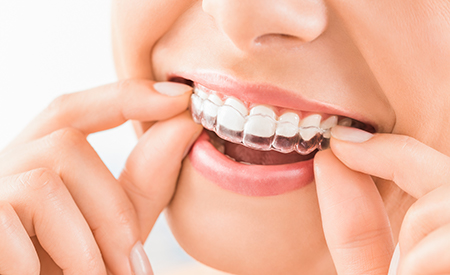
Clear, comfortable, and designed to fit modern life, Invisalign® uses a series of precise, removable aligners to straighten teeth without the visibility or constraints of traditional braces. For people who want an effective orthodontic solution that integrates with work, school, and social life, clear aligner therapy offers a discrete path to a healthier, more confident smile.

Invisalign® for Teens

Invisalign® for Brides

Invisalign® for Travelers

Before & After Photos

Invisalign® Videos

FAQs

Invisalign® vs Braces

Invisalign® vs Direct-To-Consumer Aligners

Is Invisalign® Right For Me?

Invisalign® Costs
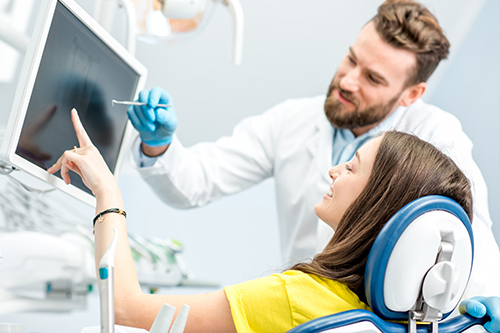
Invisalign® treatment starts with a highly detailed digital assessment. Using 3-D imaging and intraoral scanning, your provider creates a virtual model of your teeth and jaw. That model allows clinicians to visualize the full movement sequence from your current bite to the planned end result, giving an unprecedented level of predictability to the process.
This digital workflow reduces guesswork. The scans help clinicians design each aligner in the series to perform specific increments of movement so teeth shift safely and efficiently. Because the plan is mapped in advance, the number and timing of aligners are carefully coordinated to meet treatment goals.
For patients, the practical advantage is clarity: a treatment timeline that can be explained and reviewed in advance, often with a visual preview of expected changes. That kind of planning helps patients understand what to expect at each stage and how the aligners will achieve the desired alignment.
Most treatment journeys follow a consistent pattern: an initial consultation, precise digital records, fabrication of a tailored series of aligners, and periodic check-ins to track progress. Each aligner replaces the previous one, applying gentle, controlled forces that guide teeth toward their new positions.
Your clinician will explain wearing schedules and care instructions, including how to clean aligners and when to switch to the next set. Typical check-ins focus on fit, tooth movement, and any adjustments — refinements are common and part of delivering the best possible outcome.
Because the aligners are removable, hygiene is simpler than with fixed braces: you brush and floss normally and remove aligners during meals. This flexibility also means that routine dental care and restorative work can still occur during treatment with minimal disruption.
Every case is unique, but the process generally follows clear milestones. A comprehensive examination establishes whether clear aligners are an appropriate option, after which the digital plan and expected movement sequence are prepared. Once the aligners are ready, the clinician will review fit and instructions and then support you through the scheduled monitoring appointments.
Compliance plays a key role in the success of aligner therapy. Regular wear as directed—usually most of the day and night—allows the series of trays to achieve their intended tooth movements. Your clinician will monitor progress and recommend modifications when necessary to keep treatment on track.
At the conclusion of active alignment, retention is the next step: retainers protect the improvements made by the aligners and help teeth stabilize in their new positions. Your clinician will discuss retention options and recommended timing as part of your long-term care plan.

During the first visit, your clinician will evaluate alignment goals, discuss whether clear aligners are a suitable choice, and outline the diagnostic steps needed to plan treatment precisely.

A quick, accurate digital scan replaces traditional impressions in most cases. That scan supports a custom treatment plan that visualizes each stage of movement and offers a preview of anticipated results.

Aligners are manufactured to match your plan and may include small attachments or precision cuts to aid specific tooth movements. Each aligner is designed for comfort and careful control.

From the first delivery through the last aligner, your clinician will check progress, make necessary refinements, and discuss retention to maintain your results over time.
Clear aligners offer several practical benefits: they are low-profile, generally more comfortable than many fixed appliances, and removable for eating and cleaning. Because they don’t have brackets or wires, many patients find fewer sore spots and easier daily hygiene, which can reduce the risk of cavities and gum irritation during treatment.
From a health standpoint, straight teeth are easier to clean and may support better long-term gum health by reducing areas where plaque and tartar accumulate. Aligning teeth can also help distribute bite forces more evenly, which may reduce abnormal wear of tooth enamel in certain cases.
While aligners are effective for a wide range of alignment issues, their success depends on a combination of appropriate case selection, careful clinical planning, and patient cooperation. Your provider will discuss oral health considerations and any preparatory work—such as restorative care—before beginning aligner therapy.
Invisalign® and similar clear aligner systems are well-suited to adults and teens looking for a discreet orthodontic option. They are commonly used for overcrowding, spacing, mild-to-moderate bite issues, and certain alignment corrections where removable trays can predictably move teeth.
Severe skeletal discrepancies or complex tooth movements may require additional orthodontic techniques or combined approaches. A clinical evaluation will determine whether clear aligners alone are the best path or whether complementary treatments are recommended for optimal results.
Open communication with your dental team about goals, habits, and expectations helps ensure the chosen plan fits your lifestyle. Regular follow-up appointments give clinicians the chance to confirm progress and make appropriate adjustments so the treatment remains aligned with your goals.
Watch short videos to learn more about how clear aligners work, what the treatment process looks like, and common questions patients ask during care.
Invisalign® is a technologically driven approach to orthodontics that pairs digital planning with custom aligner fabrication to produce reliable, aesthetic tooth movement for many patients. If you’d like to learn whether clear aligner therapy is a good fit for your smile, contact Lutz Dental for more information and to schedule a consultation.
*Invisalign® is a registered trademark of Align Technology, Inc.
There are many options for patients who want to avoid metal braces! The most popular alternative orthodontic treatment is Invisalign®, which are clear plastic aligners designed to straighten teeth. After an examination of your teeth, your dentist will determine which option is best suited to your wants and needs.
According to the Invisalign® website, the cost for treatment is approximately the same as the cost for metal braces. A portion of this cost may be covered by your insurance. Please call us to set up a consultation and discuss potential payment plan options.
The first step is to schedule a consultation with your doctor, so they can devise a treatment plan that is best suited to your individual dental needs. Once approved, you will receive your first set of aligners. Your doctor will then regularly monitor the movement of your teeth and new aligners will be ordered according to the progress made in your treatment plan.
Invisalign® aligners are made of clear, flexible plastic. The company received a patent for this material – SmartTrack® – to be used exclusively for Invisalign treatment purposes. These aligners are FDA approved and nearly invisible!
Your doctor will give you an estimate regarding how long your Invisalign® treatment should take, which will depend on your specific needs. The average length of time for treatment is approximately 12-18 months. However, some patients may see results far sooner. Remember to wear your aligners exactly as instructed by your doctor to obtain the best results.
Your doctor will most likely recommend that you wear retainers following your Invisalign® treatment. This is a precaution that will prevent your teeth from shifting back to their original positioning. It is important to follow your doctor's instructions exactly to ensure long-lasting results.
You must wear your aligners for up to 22 hours daily. You may remove them for eating, drinking and regular oral hygiene.
No. Unlike braces, you may eat whatever you like as long as you remove the aligners before eating. Prior to placing the aligners back on, it is important to brush your teeth and the aligners after you eat.
Like any orthodontic treatment, there is a short adjustment period. The more you speak with the aligners on, the quicker you will adjust.
There will be some pressure and minor discomfort for a day or two after each initial insertion. This is a sign that your teeth are moving sequentially into their final position.
It is recommended that you remove your aligners prior to chewing gum as the gum will stick to the aligners.
We discourage smoking with aligners as the cigarette smoke will tend to discolor them.
Brushing them with toothpaste will keep them fresh and clean.
Regular office visits are every five to six weeks. This will ensure that your Invisalign treatment is progressing as planned.
All orthodontic patients are instructed to wear their retainers at night indefinitely. Sleeping with your retainers in at night will ensure a healthy bite and maintain the new position of your teeth.
Yes, if their teeth, including second molars, have grown in completely.

Invisalign® is a clear aligner system that straightens teeth using a series of custom, removable trays. Each tray is fabricated to apply gentle, controlled forces that move teeth incrementally. Because the aligners are transparent and removable, they offer a discreet alternative to brackets and wires.
The digital planning process allows clinicians to visualize the full movement sequence before treatment begins, which can improve predictability. Patients maintain normal oral hygiene since aligners are removed for brushing and flossing. This combination of aesthetics and practical benefits makes clear aligners an attractive option for many adults and teens.
Treatment begins with a comprehensive exam and an intraoral scan that creates a precise 3-D model of your teeth and bite. Clinicians use specialized software to map the planned tooth movements and to generate a series of aligners that follow that sequence. The virtual plan can be reviewed and adjusted before production to align clinical goals with expected outcomes.
That preplanned workflow reduces guesswork by specifying the number and timing of aligners and by identifying where attachments or auxiliaries might be needed. Patients often receive a visual preview of anticipated changes, which helps set clear expectations. This level of planning supports steady, measured progress throughout treatment.
Clear aligner therapy is well suited for many adults and teenagers with mild to moderate alignment issues such as crowding, spacing, and certain bite corrections. Successful outcomes depend on appropriate case selection, so a clinical evaluation is necessary to determine whether Invisalign® alone will achieve the desired result. Severe skeletal discrepancies or very complex movements may require complementary orthodontic techniques.
Clinicians will also assess overall oral health before beginning treatment, addressing cavities, gum disease, or restorative needs that could affect outcomes. Patients who can follow the recommended wear schedule—typically most of the day—tend to achieve the best results. Open communication about goals and habits helps ensure the treatment plan fits each patient’s lifestyle.
The initial consultation includes a clinical exam, digital scans or impressions, and a discussion of treatment goals and potential limitations. Clinicians will review the digital treatment plan, explain how the aligner sequence works, and outline the steps for monitoring progress. This visit is an opportunity to ask detailed questions about comfort, hygiene, and anticipated milestones.
At the delivery appointment the clinician will check fit, place any necessary attachments, and demonstrate how to insert, remove, and care for the aligners. Patients receive instructions on wear schedules and how to track progress between visits. Follow-up appointments are scheduled to confirm movement and to make refinements when needed.
Proper care includes rinsing aligners regularly, cleaning them with a soft brush and mild, nonabrasive soap, and storing them in their case when not in use. Avoid hot water and abrasive pastes that can warp or scratch the plastic, and remove aligners before eating to prevent staining and damage. Brushing and flossing before reinserting aligners helps maintain oral hygiene and reduces the risk of decay.
Routine dental cleanings and restorative appointments can continue during treatment because the trays are removable. If an aligner becomes damaged or loses fit, contact your clinician promptly for guidance rather than attempting to force it back into place. Careful hygiene supports both treatment effectiveness and long-term oral health.
Attachments are small, tooth-colored composite bumps bonded to specific teeth to give aligners better grip and enable more complex movements. They are strategically placed based on the digital plan to help rotate teeth, control tipping, or translate roots as needed. Attachments are designed to be discreet and are removed after treatment, leaving the tooth surface intact.
Not all cases require attachments; clinicians determine their necessity during treatment planning. Patients may notice a slight texture where attachments are placed but routine hygiene and comfort are generally maintained. The clinical team will explain the role of attachments and how they support the overall movement strategy.
Progress is monitored through periodic check-ins where clinicians assess fit, tooth movement, and oral health, adjusting the plan if necessary. The initial digital plan anticipates most movements, but refinements are common and may include additional aligners or targeted corrections. These refinements are part of a controlled process to ensure the final result meets clinical and aesthetic goals.
If teeth are not tracking as expected, clinicians may take new scans to re-evaluate the sequence and prescribe refinements to direct further movement. Communication between the patient and the care team is essential for resolving issues promptly. Regular monitoring also allows clinicians to coordinate any required restorative or periodontal care during treatment.
Many patients experience a short adjustment period during which speech may sound slightly different as the tongue adapts to the trays. This usually resolves within a few days to a couple of weeks as patients become accustomed to wearing the aligners. Aligners are made from smooth, low-profile material that is often more comfortable than traditional braces.
Occasional soreness or pressure can occur when switching to a new set of aligners, and this is typically mild and temporary. Over-the-counter pain relievers and soft foods can help during brief adjustment periods. If prolonged pain or irritation occurs, patients should contact their clinician for evaluation.
Straightened teeth are generally easier to clean, which can reduce areas where plaque and tartar accumulate and support healthier gums over time. Proper alignment helps distribute bite forces more evenly, which may reduce abnormal wear on enamel. Because aligners are removable, patients can maintain normal brushing and flossing routines throughout treatment, supporting overall oral hygiene.
Clinicians will evaluate and address any restorative or periodontal needs before and during treatment to create an optimal foundation for alignment. After active alignment, retention with removable retainers helps maintain results and protect long-term stability. Ongoing dental checkups and professional cleanings are important for preserving both alignment and oral health.
To begin, schedule a consultation where a clinician will evaluate your oral health, discuss your goals, and perform digital scans to create a customized treatment plan. The team at Lutz Dental will explain the process, review any necessary preparatory care, and provide a clear plan for monitoring progress and retention. This consultation also gives you a chance to ask questions about day-to-day care and what to expect at each stage.
You can reach the office at (813) 591-6666 to schedule an appointment or use the practice’s online booking system during and after business hours. During the initial visit clinicians will review the digital plan and, when available, show a visual preview of expected movement. Starting with a thorough evaluation helps ensure the chosen path to alignment fits your needs and lifestyle.
Quick Links
Contact Us