The image shows a collection of toothbrushes with various designs and colors, some with cartoonish figures, displayed against a white background.

Root Canals

If your dentist says a tooth needs a root canal, it’s understandable to feel uneasy — but there’s no need to panic. Modern root canal care is a methodical, comfortable way to remove infected or damaged tissue inside a tooth and preserve the natural structure you rely on every day. In many cases, this treatment ends chronic pain, prevents further infection, and keeps your smile intact.

At Lutz Dental, we combine contemporary endodontic techniques with thoughtful patient-centered care. Our goal is to make the process predictable and as comfortable as possible while helping you keep your natural teeth whenever it’s clinically appropriate.

Root canal care today: precise, reliable, and designed for comfort

Root canal treatment has evolved substantially over the past several decades. Where it once carried a reputation for discomfort, today’s procedures use advanced diagnostic tools, contemporary instruments, and effective local anesthesia to minimize pain and shorten recovery time. For most patients the experience is no more demanding than a routine dental restoration.

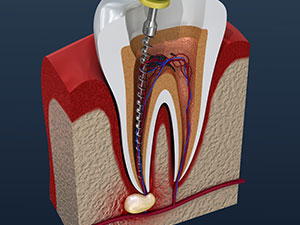
In experienced hands, root canal therapy routinely delivers long-term success. The procedure removes diseased pulp tissue, disinfects the internal canals, and seals them to prevent reinfection. When a tooth can be preserved rather than extracted, it helps maintain chewing efficiency, facial structure, and overall oral health.

Because every case is unique, we focus on careful evaluation and individualized treatment planning. That approach results in more predictable outcomes and helps patients understand what to expect at each step of care.

A man and woman are sitting on a couch, enjoying popcorn while watching television  they appear relaxed and content with each other s company.

What happens inside a tooth — and why that matters

Each tooth contains a central chamber called the pulp, which houses connective tissue, tiny blood vessels, and the tooth’s nerve supply. While the pulp is essential for a developing tooth, an adult tooth can remain healthy and functional even after the pulp has been removed and the canals are properly sealed.

Pulp tissue can become inflamed or infected for several reasons: deep decay that reaches the inner chamber, a crack or fracture that exposes internal tissues, or a traumatic injury. Once the pulp is compromised, the nerve signals may cause persistent pain, and the infection can spread beyond the root into surrounding bone if left untreated.

Catching pulp problems early improves the odds of saving the tooth. That’s why routine exams and timely evaluation of symptoms are essential; some teeth with internal damage cause obvious discomfort, while others may show subtle signs or only radiographic changes on X-rays.

Common warning signs that should prompt a dental exam

Not every toothache requires a root canal, but several symptoms frequently indicate pulp involvement or an established infection. If you notice any of the following patterns, it’s wise to schedule an evaluation so the condition can be diagnosed and managed before it progresses.

Below are common warning signs that often—though not always—precede the need for root canal therapy. Each item warrants attention from a dental professional.

  • Persistent, throbbing or worsening pain

    Pain that lingers or intensifies — especially pain that disrupts sleep or does not respond to over-the-counter measures — frequently indicates significant irritation or infection inside the tooth. When pain persists, delaying care increases the likelihood of more extensive treatment.

  • Extreme sensitivity to heat or cold

    A brief twinge from a cold drink is common, but severe, prolonged reactions to hot or cold suggest the pulp is compromised. Sensitivity that continues after the stimulus is removed can be a sign of irreversible pulpitis or necrosis.

  • Pain on biting or when pressure is applied

    If chewing produces sharp or lingering discomfort, it can indicate that the internal tissues are inflamed or that the tooth’s supporting structures are affected. This symptom often accompanies cracked teeth or advanced decay that reaches the pulp.

  • Discoloration or darkening of a tooth

    Teeth that appear gray, brown, or otherwise discolored after an injury or over time may have lost internal vitality. Internal staining can signal that blood supply and nerve tissue have been damaged or have died.

  • Visible cracks, chips, or fractures

    Structural damage to a tooth can expose the pulp or create pathways for bacteria to enter the inner chamber. Even a small fracture can lead to deep infection if left untreated, so evaluation following trauma is important.

  • Swelling, drainage, or gum irritation near the tooth

    Localized swelling or a draining sore near a tooth often indicates an abscess — an infection that has extended to the tissues around the root. Timely care can prevent the infection from causing more extensive harm.

  • Loosening or increased mobility of the tooth

    When supporting bone or connective tissues are affected by infection, a tooth can become mobile. Root canal therapy combined with appropriate restorative care frequently stabilizes the tooth as healing occurs.

The image shows a dental hygienist performing a procedure on a patient s teeth while wearing protective gloves and a face mask.

Why sooner is generally better: risks of postponing treatment

Delaying evaluation or treatment when a tooth is symptomatic can allow an infection to spread and make the eventual care more complex. An untreated root infection can damage surrounding bone, affect adjacent teeth, and create persistent discomfort or swelling.

Some teeth with damaged pulp show no clear symptoms early on; they are discovered during routine exams and X-rays when clinicians detect changes at the root tip or loss of surrounding bone. When problems are identified early, the chances of a predictable, conservative outcome improve.

Prompt treatment also helps protect your overall health. While most tooth infections are localized, any bacterial process in the mouth can have broader implications for people with certain medical conditions; for that reason, timely dental care is an important component of general wellness.

How a modern root canal is performed — and the recovery that follows

Root canal therapy is performed to remove infected or damaged pulp, clean and shape the internal canals, and seal them to prevent reinfection. The procedure typically begins with local anesthesia to ensure comfort, and many patients report minimal discomfort during treatment thanks to modern techniques and instruments.

The number of visits required varies. Some teeth can be treated in a single appointment, while others with complex anatomy or active infection may require two or more visits to achieve thorough disinfection. When needed, sedation dentistry is available to help patients feel relaxed during their visit.

After the canals are sealed, the tooth will usually receive a permanent restoration — often a crown — to restore strength and function. A well-placed restoration reduces the risk of fracture and helps the treated tooth function effectively for years to come.

The image shows a split-screen comparison between a healthy tooth with no issues and a damaged tooth with a cavity, accompanied by dental tools like a toothbrush and dental pick.

Recovery pointers: what to expect and how to protect your tooth

Following a root canal you may experience mild soreness for a few days as surrounding tissues heal. Over-the-counter anti-inflammatory medications are often effective for managing this discomfort, and we will advise you about when to seek further care if pain or swelling persists.

Until the final restoration is placed, the treated tooth may be more susceptible to fracture. Bite carefully, avoid hard or sticky foods on that side, and return for the recommended restoration promptly to protect the long-term success of the treatment.

Maintaining excellent oral hygiene and attending regular dental checkups supports healing and reduces the chance of future problems. If antibiotics are prescribed for an active infection, take the full course as directed.

  • Temporary numbness after treatment

    It’s normal to have numbness for an hour or two after local anesthesia. Avoid chewing or touching the area until sensation fully returns to prevent biting the lips, cheeks, or tongue.

  • Managing post-treatment discomfort

    Some sensitivity or tenderness is common for a short period. If pain is excessive or worsens instead of improving, contact our office so your dentist can evaluate the healing process and recommend next steps.

  • Antibiotics when indicated

    When an active infection is present, antibiotics may be prescribed. Be sure to complete the entire course as directed to fully address the infection.

  • Protect the treated tooth

    Until your permanent crown or restoration is placed, avoid habits that could fracture the tooth. Chew on the opposite side and be cautious with hard foods.

  • Keep up daily oral care

    Continue to brush and floss gently around the treated tooth. Good home care supports long-term success and helps prevent future problems.

  • Complete the restorative phase promptly

    A definitive crown or similar restoration is the final step that restores strength and protects the tooth from breakage. Scheduling this restoration in a timely fashion is an important part of the treatment plan.

With careful treatment and good oral hygiene, a tooth that has undergone root canal therapy can remain functional for many years — often for the life of the patient. Our focus is to deliver durable, evidence-based care that preserves your natural smile whenever possible.

If you have questions about root canal therapy or are experiencing any of the symptoms described here, please contact Lutz Dental for more information and to schedule an evaluation. We’re here to help you understand your options and find the approach that best supports your oral health.

Frequently Asked Questions

Why have a root canal procedure?

+

A root canal procedure is the best way to save a tooth that has been damaged by decay or injury and preserve your natural smile. The alternative is an extraction and treatment to replace the tooth. While at times a tooth is non-restorable and an extraction is the only option, when possible, it’s best to try and save your natural tooth. With proper care, a tooth with root canal therapy can serve your smile well for many years to come.

Is a root canal procedure painful?

+

Despite lingering myths from before the age of modern dental anesthesia and technology, having a root canal procedure today is as routine and comfortable as visiting the dentist for a filling. While the procedure is performed under local anesthesia with your tooth completely numbed, we can also discuss options in dental sedation.

Do I need to have a root canal procedure if I'm not in pain?

+

Whether the symptoms of a dental infection subside after a course of antibiotics, a draining abscess provides you with some temporary pain relief, or a tooth with radiographic evidence of pathology has not yet developed symptoms, it’s essential, before an infection worsens or occurs, to have a root canal procedure performed. In this way, the tooth can be disinfected, filled, and sealed to protect your health and avoid further problems.

Do you offer emergency appointments?

+

If you have sustained a dental injury, have a toothache, jaw pain, swelling, or are experiencing any other unusual and uncomfortable oral symptoms, contact our office immediately for care. Dental problems that have not been evaluated and treated can significantly worsen, producing more severe damage and consequences for the involved teeth, your oral health, and even your overall wellbeing. Once you get in touch with our office, our friendly and compassionate office team will get you in for care at your earliest convenience.

How long does a root canal procedure take?

+

While some root canal procedures can be completed in one visit, others may involve 2 or 3 appointments. How long it takes depends on various factors, including active infection, the number of canals in the tooth, and the tooth’s location or anatomy.

How successful is root canal therapy?

+

With a success rate that exceeds 95%, root canal therapy remains the most effective procedure to save a tooth in which the inner vital tissues have been damaged. However, as with all healthcare procedures, there are a small percentage of cases where the teeth become symptomatic a second time. The good news is that many of these teeth can still be saved with root canal retreatment or a minor surgical procedure known as an apicoectomy.

What's the best way to take care of my tooth after root canal therapy?

+

The best ways to maintain a tooth with root canal therapy are to get the proper restoration required to rebuild and protect the tooth, maintain proper oral hygiene, and schedule appointments for routine dental checkups and care.

How much does root canal therapy cost, and does dental insurance cover it?

+

Saving a tooth with root canal therapy is a wise investment that, in the long run, is typically less costly and invasive than having the tooth extracted and replaced with a fixed bridge or implant. As far as the exact cost of care, it can vary depending on which tooth is being treated. Many dental insurance plans provide coverage for root canal therapy. At the office of Lutz Dental, we do our best to optimize your dental benefits and minimize your out-of-pocket expenses. Our staff will answer all your questions about the cost of care and discuss all your payment options.

Why choose the office of Lutz Dental?

+

At the office of Lutz Dental, we use the latest technology and most effective methods of care to provide precise and gentle care. Our reputation for excellence is based upon a consistent record of achieving successful treatment outcomes while providing prompt, stress-free, and convenient treatment for every type of dental need.

What is a root canal and why might I need one?

+

A root canal is a dental procedure that removes inflamed or infected tissue from inside a tooth, cleans and shapes the internal canals, and seals them to prevent reinfection. The goal is to preserve the natural tooth when the pulp has been compromised by deep decay, a crack, or trauma. Saving the tooth helps maintain chewing function, jawbone support, and the overall alignment of surrounding teeth.

Root canal therapy is recommended when the nerve or pulp tissue is irreversibly damaged and cannot heal on its own. Treating the tooth can relieve persistent pain and reduce the risk of infection spreading to surrounding bone or adjacent teeth. Early diagnosis and timely treatment improve the likelihood of a predictable, long-lasting outcome.

What symptoms commonly indicate I might need root canal therapy?

+

Common signs that suggest pulp involvement include persistent or severe toothache, prolonged sensitivity to hot or cold, and pain when biting or applying pressure. You may also notice discoloration of a tooth, visible cracks or chips, swelling or drainage near the tooth, or increased mobility if surrounding tissues are affected. Some infected teeth cause obvious discomfort, while others produce subtle symptoms or are discovered on routine X-rays.

If you experience any of these symptoms, it is important to schedule an evaluation rather than delaying care. Early assessment can limit the spread of infection and increase the chance of saving the natural tooth. Your dentist will use clinical tests and radiographs to determine whether root canal therapy is appropriate.

Is a root canal a painful procedure?

+

Thanks to modern local anesthesia, instrumentation, and techniques, most patients report little to no pain during the procedure. Dentists take steps to ensure the treated area is numb before beginning, and many patients find the experience comparable to a routine dental restoration. For those with anxiety, sedation options are available to help create a calm, controlled environment during treatment.

After the procedure, mild soreness or tenderness in the treated area is common for a few days as surrounding tissues heal. Over-the-counter anti-inflammatory medications are often effective for managing discomfort, and your dentist will give specific aftercare instructions. Contact your dentist if pain worsens or swelling persists, as this may indicate the need for further evaluation.

How is a modern root canal performed?

+

The procedure typically begins with administration of local anesthesia and placement of a small barrier to isolate the tooth and keep the area dry. The dentist creates an access opening to remove diseased pulp, then cleans, shapes, and disinfects the internal canals with specialized instruments and irrigation solutions. Once the canals are thoroughly decontaminated, they are filled and sealed to prevent future bacterial penetration.

Some teeth can be treated in a single visit, while others with complex anatomy or active infection may require two or more appointments to ensure complete disinfection. After canal sealing, a temporary filling is placed until a permanent restoration can be completed. For patients who prefer extra support, sedation dentistry is available to improve comfort and reduce stress during care.

What should I expect during recovery after a root canal?

+

Recovery usually involves a brief period of mild soreness as the body heals, and most patients return to normal activities the same day or the following day. Numbness from local anesthesia can last an hour or two, so avoid chewing until sensation returns to prevent accidental biting of lips or cheeks. Over-the-counter pain relievers and cold compresses are commonly recommended to manage discomfort and swelling.

Until the final restoration is placed, the treated tooth can be more susceptible to fracture, so avoid hard or sticky foods on that side and follow any temporary-care instructions your dentist provides. Good oral hygiene and prompt completion of the restorative phase support long-term success. If pain intensifies or signs of persistent infection appear, contact your dental office for evaluation.

Can a tooth that has had a root canal become reinfected?

+

While root canal therapy has a high success rate, reinfection can occur when bacteria re-enter the treated canals, when an unseen canal remains untreated, or if the tooth fractures or develops new decay. Complex canal anatomy and delays in placing a permanent restoration can also increase the risk of recurrent infection. Regular follow-up and radiographic monitoring help detect problems early when they are easier to manage.

If reinfection is suspected, retreatment of the canals, an apical surgery (apicoectomy), or, in some cases, extraction may be recommended depending on the condition of the tooth and surrounding tissues. Your dentist will review the options and propose the approach most likely to restore health and function while preserving tooth structure when feasible.

Will my tooth need a crown after root canal therapy?

+

Many teeth that undergo root canal therapy, especially molars and premolars, benefit from a crown to restore strength and function. A crown protects the tooth from fracture, seals it against new decay, and helps restore proper chewing forces. Placing a definitive restoration in a timely manner is an important part of the treatment plan and contributes to the long-term durability of the tooth.

The specific type of restoration will depend on the tooth's location, remaining tooth structure, and functional demands. Your dentist will discuss restorative options and timing, and will coordinate the prosthetic phase to achieve a durable and esthetic result. Maintaining routine dental care after crown placement supports the restoration's longevity.

What are the alternatives to root canal treatment?

+

The primary alternative to root canal therapy is removal of the affected tooth followed by a replacement option such as a dental implant, bridge, or removable partial denture. Extraction and replacement can restore function but may require additional procedures and have implications for adjacent teeth and jawbone preservation. In select cases where pulp damage is minimal, monitoring or less invasive interventions may be appropriate under close observation.

Choosing between saving the natural tooth and replacing it involves evaluating long-term oral health, structural considerations, and the tooth's strategic value in the mouth. Your dentist will explain the pros and cons of each option and recommend the most conservative, evidence-based plan consistent with your overall dental needs.

How can I reduce my risk of needing a root canal in the future?

+

Preventive measures that lower the risk of pulp damage include maintaining good oral hygiene with regular brushing and flossing, attending routine dental checkups, and treating cavities early before they reach the inner chamber. Using a mouthguard during contact sports and avoiding biting hard objects or ice can reduce the chance of trauma and fractures that expose the pulp. Fluoride treatments and sealants, when appropriate, also help protect vulnerable tooth surfaces.

Promptly addressing cracked teeth, new sensitivity, or changes in tooth color can catch problems before they progress to the point of requiring root canal therapy. Regular professional exams and timely radiographs allow clinicians to detect early signs of internal damage and intervene conservatively when possible. Staying proactive about oral health is the best strategy for preserving natural teeth over a lifetime.

How do I schedule an evaluation if I think I need a root canal?

+

If you have persistent tooth pain, swelling, or other signs of pulp involvement, schedule an evaluation so a clinician can perform a focused exam and appropriate imaging. During the visit the dentist will review your symptoms, examine the tooth, take radiographs if needed, and outline treatment options including the anticipated restorative plan. Timely assessment helps prevent more extensive problems and supports a more predictable outcome.

To arrange an appointment, call Lutz Dental at (813) 591-6666 or use the practice's online booking system to request a consultation. The team can explain what to expect at your visit and discuss sedation options if you experience dental anxiety, ensuring your evaluation is comfortable and thorough.

Ready to Transform Your Smile?

Whether you need a routine checkup, a complete smile makeover, or have a dental emergency, the team at Lutz Dental is here to help. With over 32 years of experience serving the Lutz community, we make it easy to get the care you deserve. New patients are always welcome.

A Family Practice That Puts You First

At Lutz Dental, every patient is treated like a member of our family. We take the time to listen, answer your questions honestly, and create a treatment plan that works for your needs and your budget. Call us or book online — we are accepting new patients and would love to welcome you to our practice.

Office Hours

Monday
8:00 am - 5:00 pm
Tuesday
8:00 am - 5:00 pm
Wednesday
8:00 am - 5:00 pm
Thursday
8:00 am - 5:00 pm
Friday
8:00 am - 5:00 pm